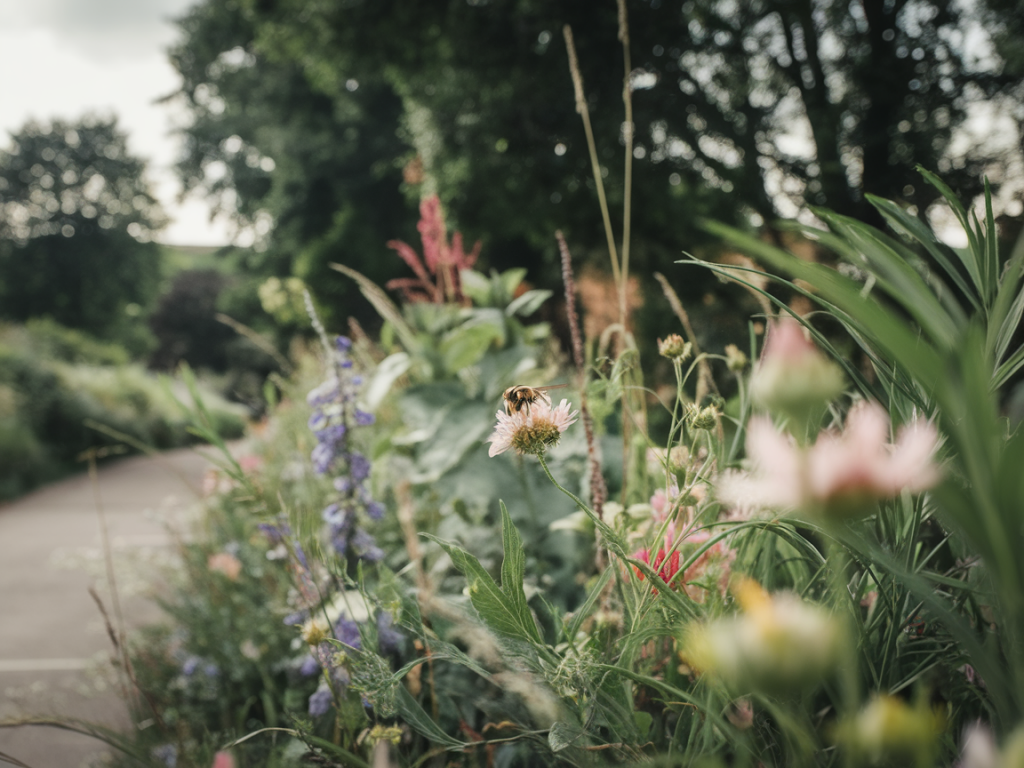
I run short, repeatable surveys of hedgerow bees around my village using nothing more than a smartphone, a pocket notebook and a simple plan. Over several seasons I’ve learnt which photos actually help with identifications, how to design a route that gives reliable, repeatable samples, and where to send records so they count for conservation. Below I share exactly what I do when surveying hedgerows — the ID features I look for, the sampling route I use, and the easiest ways to submit records so they help researchers and local conservation groups.
Why hedge bees matter (and why a smartphone is enough)
Hedgerows are linear habitats rich in flowers and nesting sites for a large variety of bees: bumblebees, solitary mining bees, mason bees and small sweat bees. You don’t need a microscope or a net to contribute useful data. Modern phones take detailed images that, combined with good metadata (date, time, GPS, plant species), are frequently enough for experienced recorders to confirm species or at least genus. Plus it’s low-impact: I rarely handle bees unless I’m trained and the specimen already needs help.
Basic gear and apps I use
When and where to survey
Time of day and season matter. I try to survey between 10:00 and 16:00 on dry, warm (above 12°C) and calm conditions; bees are most active and easiest to photograph then. Peak months in the UK are April–June for early spring species and July–August for many solitary species and later bumblebees.
I choose a single hedgerow and walk a fixed transect: typically 500 m of hedgerow, stopping every 50 m for two minutes to scan and photograph. This gives ten stops per transect and takes about 45–60 minutes including walking. Repeat the same transect weekly or fortnightly to build a useful time series.
Sampling route — a simple, repeatable plan
Photo tips that actually help identification
Exact ID features to photograph (smartphone-friendly)
Below are the practical field cues I look for. These are chosen because they’re visible in phone photos and are commonly diagnostic at genus or species level in UK hedgerow contexts.
| Group | Visible ID features (photo targets) | Typical flowers/habitat |
|---|---|---|
| Bumblebees (Bombus) | Overall size and shape; banding pattern on thorax/abdomen; colour of hairs (black/yellow/orange/white); face and tongue length (long-tongued species visit deep flowers). | Hedgerow flowers: bramble, hawthorn, blackberry, knapweed |
| Mining bees (Andrena) | Slender body; pale facial hair patches (foveae) on females; pale hindleg pollen scopa; often a brown/black abdomen with pale bands. | Early spring flowers: willow catkins, blackthorn, cowslip |
| Mason/Leafcutter bees (Osmia) | Stocky, metallic sheen in some species (blue/green); females have pollen-carrying hairs on underside of abdomen (hard to see but side shots help). | Spring shrubs and hedgerow flowers; cavities in old stems |
| Sweat bees (Lasioglossum) | Small size (4–8 mm); often metallic green or dark; look for thin, sparse hairs; need clear close-up shots to separate from flies. | Warm, sunny patches on hedgerow flowers |
| Nomada (cuckoo bees) | Wasplike, slender, often bright red/orange markings; lack dense hairs and scopa (look almost hairless compared to others). | Associated with hosts on hedgerow margins |
Behavioural cues to photograph
Submitting records — step-by-step
My workflow is simple: I upload to iNaturalist (or NBN/iRecord) straight from the phone, then cross-post to specialist projects that feed into national schemes.
Quality control and getting IDs verified
For tricky groups I attach the best photos to iNaturalist and tag “needs ID.” Join UK bee groups on iNaturalist or Facebook — experienced recorders often help. If you think you’ve found a rare species, contact your local county recorder or BWARS before publishing exact sensitive locations; they can advise on verification and conservation implications.
Ethics and safety
Running a hedgerow bee survey with a smartphone is accessible and rewarding. Repeating the same route across the season builds a dataset that helps local recorders and contributes to wider monitoring. With a few good photos, clear metadata and the right submission route, anyone can add useful records to help conserve our buzzing hedgerows.