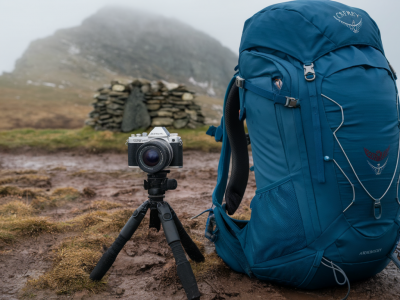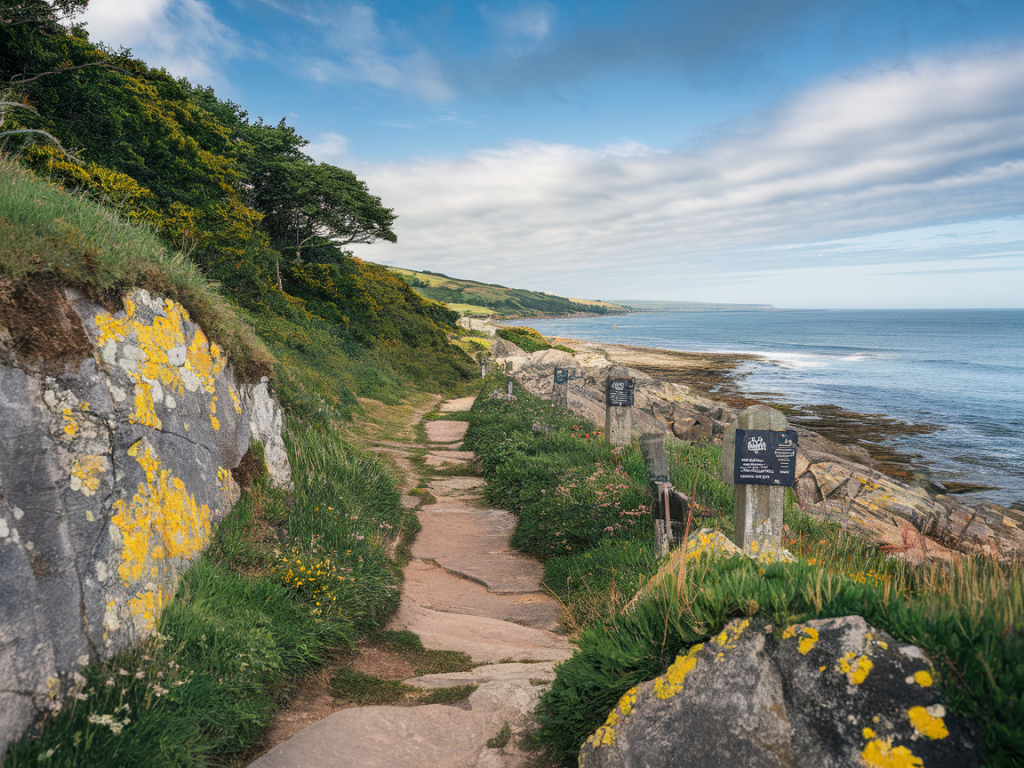
I planned a single-day micro-adventure on the Pembrokeshire coast that relied entirely on buses and my own two feet. The aim was simple: leave a morning train or bus, walk a scenic coastal stretch, watch and photograph wildlife, and catch a return bus in the evening — all without a car. Below I give the exact route I walked, the logistics for using public transport, a realistic timeline, and a wildlife checklist tailored to what you’re likely to see on a spring-to-autumn day. This is the sort of walk I do regularly: straightforward navigation, plenty of wildlife stops, and kit small enough to carry all day.
Why this micro-adventure works
Pembrokeshire’s coast is compact, dramatic and incredibly accessible by public transport if you plan around the timetables. For a single-day trip you want: a bus-served start and finish, a 10–16km easy-to-moderate walk, varied scenery (cliffs, coves, headlands) and reliable wildlife. The route below ticks those boxes and is flexible — shorten or lengthen depending on your energy and bus options.
Exact route (start, finish, distances and path notes)
Start: Milford Haven / Hub near Milford Station (bus stop)
Finish: Skomer Ferry / Martin’s Haven area (bus stop at Dale or Broad Haven)
Distance: ~12–14 km (depending on short detours to coves)
Time: 4–7 hours walking and wildlife stops
Route summary: take an early bus to Milford Haven or nearby Neyland depending on your connecting service. From Milford, walk west along the coast path towards Dale, following the Pembrokeshire Coast Path for most of the day. Key landmarks: West Blockhouse Fort (good seabird viewing), St Ann’s Head (magnificent cliffs and potential peregrine sightings), and the small coves around Dale and Broad Haven. If the schedule and tides allow, detour to Martin’s Haven for the Skomer boat pickup views — seals and seabirds are common here.
Navigation notes:
Bus logistics and timetable tips
Public transport in Pembrokeshire is a mix of regional operators; check times on the day with National Rail for train-to-bus connections and local bus apps or the Traveline Cymru website. Practical tips I use every time:
Sample timings (early spring / summer day)
06:45 – depart main station (train or bus) to Milford Haven area
09:00 – arrive Milford / Neyland and start walking after coffee and kit check
09:15–12:30 – steady coastal walk with photo stops at West Blockhouse and St Ann’s Head (allow cliff-top scanning for seabirds and marine mammals)
12:30–13:30 – lunch on a sheltered headland or a nearby cove (pack a light stove or a sandwich)
13:30–16:00 – continue west towards Dale and Broad Haven, watching for seals at Martin’s Haven cove
16:30 – catch return bus from Dale/Broad Haven back to your transport hub (check final times)
Gear I carried (light, practical, tried and tested)
Wildlife and photography checklist
Below is a practical checklist I take on every coastal micro-adventure in Pembrokeshire. It’s tailored to what’s common enough for a single-day trip but also includes a couple of rarer but possible encounters so you know when to slow down and observe.
| Species / Group | When to look | Notes for observation & photography |
|---|---|---|
| Grey seal (Halichoerus grypus) | All year — haul-outs common in coves (Martin’s Haven) | Use a telephoto lens (200–400mm). Keep distance; seals are protected and easily disturbed. |
| Common and Atlantic puffins | Spring to early summer (breeding season) | Puffins mainly visible from boats or certain headlands. Low-light lenses help for fast flight shots. |
| Guillemots & razorbills | Spring–summer on cliffs | Steady tripod and 300–400mm gives good close-ups of cliff colonies. |
| Gannet | Spring–autumn | Fast-flying; use continuous AF and high shutter speed (1/1000s+). |
| Raptors (peregrine, kestrel) | All year, especially around cliffs | Peregrines nest on cliffs — watch from a distance; telephoto lens essential. |
| Shorebirds (oystercatcher, ringed plover) | Tidal areas and estuaries | Low-angle shots at eye-level give the most pleasing compositions. |
| Marine mammals (porpoise, dolphins) | All year, more sightings in calm seas | Scan from headlands with binoculars; be patient and watch for surface blows. |
| Wildflowers & butterflies | Late spring to early autumn | Macro lens or close-focus zoom; steady hand for macro shots or small tripod. |
Ethics and practical wildlife etiquette
Respecting wildlife is central to how I plan these days out. A few rules I always follow and recommend:
Quick contingency ideas
If the bus you planned to use gets cancelled or the weather turns bad, you have options:
Take this plan as a template: adjust start and finish towns to suit your train or long-distance coach times, and tweak the walking distance to match your fitness and photography ambitions. Walk slowly enough to notice the wildlife; the best sightings usually come when you least expect them.