Gear

What to pack for a muddy uk winter ridge day with a mirrorless camera and the osprey archeon 35

What to pack for a muddy uk winter ridge day with a mirrorless camera and the osprey archeon 35

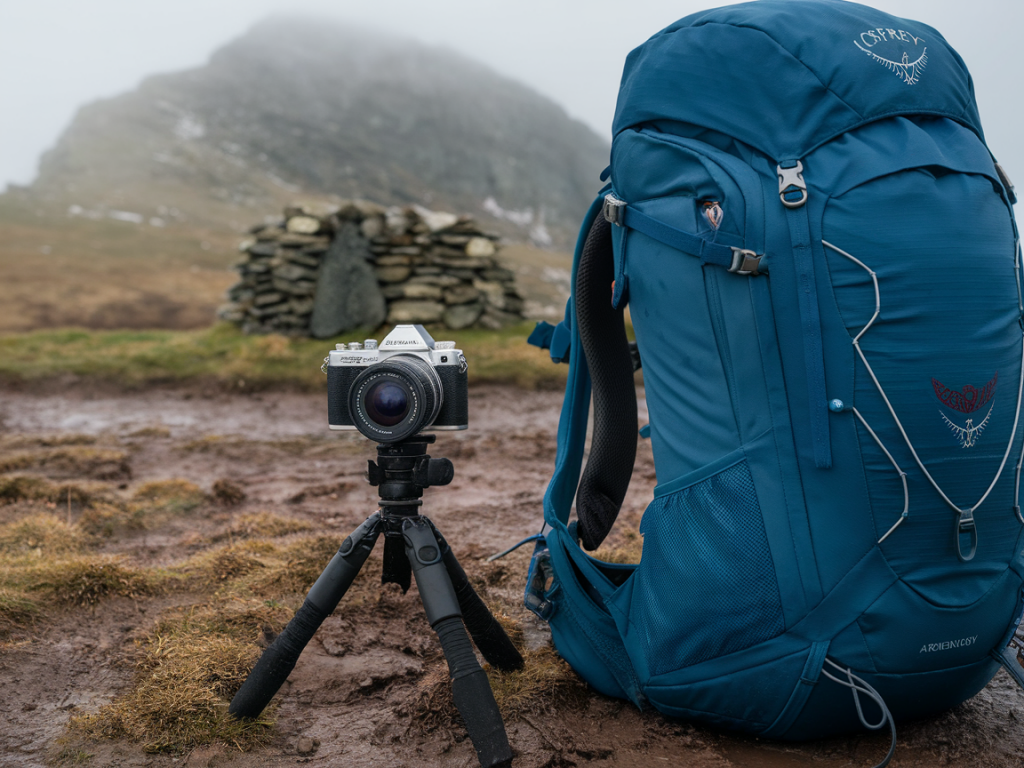
A muddy winter ridge day in the UK is one of my favourite kinds of walk: raw light, wind‑scoured views, and a landscape that rewards a slow pace and a curious eye. But when I’m carrying a mirrorless camera and the Osprey Archeon 35, I want to be sure that my kit keeps me comfortable, my camera stays safe, and I can still stop for the compositions and wildlife moments that make the day worthwhile. Below I’ll walk you through what I pack, why I pack it, and how I use everything on the ridge — with practical tips for staying dry, protecting gear from mud, and making good images in cold, changeable conditions.

Why the Osprey Archeon 35?

The Archeon 35 sits sweetly between a daypack and a lightweight overnight pack. For me it’s the right size for a ridge day: enough room for layers, camera kit, and a few luxuries like a flask and a sandwich, without encouraging me to overpack. The padded back and adjustable hipbelt keep weight centred while the lid and side pockets make it easy to access snacks and maps on the move. I use the internal organiser to separate camera items from clothing, and the external attachment points for a lightweight tripod when I need it.

Base layers and clothing — don’t underestimate staying warm

On a UK winter ridge a lot of photography opportunities happen while you’re standing still, so layering is essential.

  • Base layer: merino top and leggings. They breathe well and retain warmth when damp.
  • Mid layer: a fleece or lightweight insulated jacket (I use a synthetic insulated jacket — it stays warm when wet).
  • Shell: a waterproof breathable jacket and trousers. A reliable hardshell with taped seams is non‑negotiable on exposed ridges.
  • Hat and gloves: thin liner gloves for camera controls and an insulated pair for longer stops. Finger dexterity matters, so I carry touchscreen liners and a warmer pair for when I’m stationary.
  • Gaiters: essential for boggy, muddy approaches — they save boots and lower trousers from being caked.
  • I often keep spare socks in a dry bag: nothing ruins a day like wet feet on the summit.

    Footwear

    For a muddy ridge day I choose boots with a chunky, mud‑shedding outsole and solid ankle support. My go‑to is a waterproof, breathable boot with a Vibram sole. If you expect deep mud and long wet grass, high cut boots plus gaiters will keep you drier and reduce chatter when camera settings need your attention.

    Camera kit: what I carry and how I protect it

    My mirrorless kit is compact but capable — typically a body like the Sony A7 series or Fujifilm X‑T line, two lenses (a wide zoom for landscape and a medium tele for wildlife/close details), a spare battery, and a small, weather‑sealed tripod. Protection and accessibility are my priorities.

  • Camera body + 2 lenses: I keep the camera in the main compartment inside a padded divider sleeve. Lenses go in adjacent slots. If it’s raining, each lens gets a small silicone lens cap as an extra dust/mud barrier.
  • Spare batteries: cold kills battery life — I carry at least two spares in an insulated pocket (close to my body if possible) or inside my jacket to keep them warm.
  • Memory cards: in a waterproof card wallet, stored in a zipped pocket.
  • Microfibre cloth and lenspen: for quick cleaning of mud and spray.
  • Rain protection: a camera cover or a large ziplock + drybag combo. If it’s really wet I’ll use a dedicated camera rain sleeve that lets me operate controls while keeping the body dry.
  • Tripod: a carbon or compact aluminium travel tripod strapped to the side or angled to the back. I use a strap through the pack’s daisy chain so it doesn’t swing when I walk.
  • Tip: when you stop to shoot, take the camera out of its sleeve and keep it under your jacket if you’ll be stationary for long. It reduces condensation and keeps batteries warm.

    Organisation inside the Archeon 35

    I use a simple modular approach to avoid rummaging in the mud:

  • Top lid: map, compass, gloves, snacks that you want easy access to.
  • Main compartment: camera in padded insert, lens in separate slot, spare clothes rolled and sealed in a drybag.
  • Front panel pockets: wet wipes, first aid, compact stove if I’m tempted to brew tea.
  • Hipbelt pockets: phone, GPS, and a small chocolate bar.
  • The Archeon’s internal organiser helps keep smaller items upright and accessible — I use little stuff sacks for electronics, food, and toiletries so everything has a home.

    Navigation and safety

    On a ridge the weather can change quickly; I bring the usual navigation kit:

  • Map & compass: essential even if I have a GPS — batteries die and reception can be patchy.
  • Rechargeable battery pack: to top up phone/GPS. I carry a short cable so I don’t have to unpack everything to charge.
  • Headtorch: winter days are short — I carry a compact headtorch with fresh batteries.
  • First aid & emergency kit: a basic kit with plasters, blister care, a bivvy bag and a whistle.
  • Food, drink and warmth

    Keeping energy up and hands warm matters for photography and safety:

  • Insulated flask: hot tea or broth is morale fuel. I find a 500ml flask is a sweet spot.
  • High‑energy snacks: trail mix, chocolate, a dense sandwich. I pack items in waterproof pouches.
  • Stove (optional): a small canister stove or alcohol kit if you plan to stop for a longer brew.
  • Cleaning and repair kit

    Mud happens. Be ready:

  • Microfibre towels/wipes: to brush off mud before it dries into lens rings.
  • Lenspen & blower: for lens and sensor protection — don’t overdo sensor cleaning in the field but a blower is excellent for dust.
  • Multi‑tool & duct tape: tiny hero items for strap repairs or tripod fixes.
  • Camera settings and shooting tips for winter ridges

    Some practical camera notes from a day on the hill:

  • Expose for the highlights: snow and bright skies clip quickly. Use exposure compensation or spot meter critical highlights.
  • Use a polariser: cuts glare on wet rocks and saturated colours in puddles and bog pools.
  • Keep a shallow-to-moderate depth of field: for landscapes f/8–f/11 is a good starting point on a mirrorless full frame; on APS‑C you can open up slightly to f/5.6 depending on your lens and foreground interest.
  • Bracketing and panoramas: if the ridge delivers big dynamic range, I bracket exposures or stitch panoramas later.
  • Wildlife patience: use a reasonably fast shutter when birds or mammals are moving — 1/1000s for small birds, slower for sheep and stationary subjects.
  • Item Why
    Osprey Archeon 35 Comfort, organisation, tripod attachments
    Mirrorless body + 2 lenses Compact, flexible kit for landscape and wildlife
    Camera rain cover & drybags Protects gear from rain and mud
    Insulated jacket & hardshell Warmth and weather protection
    Spare batteries (warm) Cold-proof power
    Tripod Sharp landscapes, long exposures

    On Outdoorangus Co I try to recommend kit that lets you focus on being outside — the Archeon 35 and a compact mirrorless setup are a combination I use often when I want to travel light but stay capable. The key to a successful muddy winter ridge day is organisation, protection, and keeping your kit warm and dry. With the right items in the pack you’ll spend more time photographing and less time worrying about mud, battery life, or soaked clothing. If you want, I can share a printable checklist based on this setup or walk through a typical packing layout for the Archeon 35 — just ask and I’ll post it on outdoorangus.co.uk under Gear.
    You should also check the following news:

    Step-by-step guide to running a village nocturnal mammal survey using a budget action cam

    Step-by-step guide to running a village nocturnal mammal survey using a budget action cam

    I’ve long been fascinated by the secret life of mammals that move after dark. On quiet village...

    Sep 04
    How to run a village hedgerow bee survey with smartphone photos: exact id features, sampling route and how to submit records

    How to run a village hedgerow bee survey with smartphone photos: exact id features, sampling route and how to submit records

    I run short, repeatable surveys of hedgerow bees around my village using nothing more than a...

    Aug 10