I’ve long been fascinated by the secret life of mammals that move after dark. On quiet village edges and in small woodlands you can encounter hedgehogs, bats (from a distance), badgers, foxes, mice and the occasional stoat — but spotting them with your naked eye is hit-and-miss. Over the years I’ve learned that you don’t need expensive camera traps to run a useful nocturnal mammal survey: a budget action camera, a sensible survey design and a careful, ethical approach will get you reliable observations you can share with local groups or conservation records centres.
Why run a village nocturnal mammal survey?
There are a few reasons I run these surveys. First, they’re a gentle way to map which mammals are using green spaces in and around villages. Second, they help me collect photographic evidence for ID and behaviour notes (e.g. hedgehog foraging, fox movement patterns). Third, the surveys are a great way to involve neighbours and local wildlife groups without the barrier of high-cost kit.
Permissions and ethics
Before you start, check who owns the land. For public paths and verges you’ll usually be okay, but private gardens, churchyards or farmland need owner permission. Always avoid setting bait that could alter behaviour or harm animals — small, temporary scent lures can be used sparingly, but I prefer to rely on natural movement corridors. Never handle wild mammals without training and never use bright lights at night. Respect hedgehogs and other vulnerable species by keeping disturbance to a minimum.
Essential kit (budget-focused)
Here’s what I take on a basic village nocturnal survey. I choose reliable but affordable kit so others can replicate the method without breaking the bank.
Camera selection and settings
When I choose an action cam for survey work I look for these features:
Typical settings I use:
Survey design and site selection
I plan surveys around movement corridors: hedgerows, the edge of allotments, garden boundaries and small streams. In a village, the most productive locations are places with cover and easy access to food — compost heaps, slack areas of long grass, and quiet back lanes. A simple grid or transect approach works well: choose 3–5 fixed locations and visit them night after night for consistent sampling.
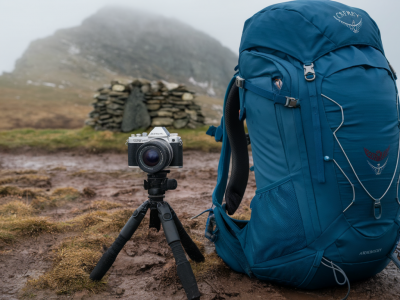
Setting up the camera
I always do a short test recording after setup to check framing and exposure. If motion detection is enabled, test it by walking in front of the camera at the distances you expect animals to appear.
Survey protocol — timings and repetition
Consistency is important. My standard protocol:
Field workflow and safety
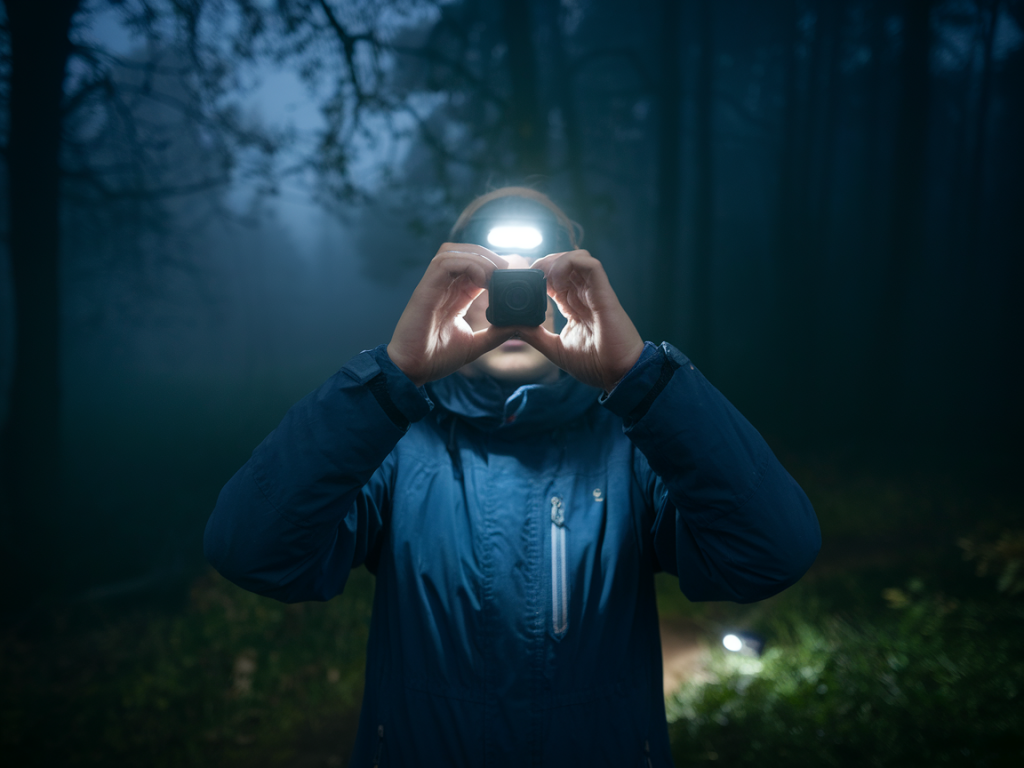
I work with a partner when possible. Even in a village, lone-night work has risks. Carry a charged phone, headtorch with red filter, high-visibility clothing and let someone know your planned route and finish time. Keep interactions with residents polite and explain the harmless nature of the survey if anyone asks.
Data handling and review
Back home, I transfer files to a laptop and back them up immediately. If your camera records in clips, create a simple folder structure with site name and date. I watch every clip at 0.5–0.75x speed for careful ID, and I extract stills of interesting behaviour for records. Use simple metadata: location (grid ref), date/time, species, number of individuals, behaviour notes, and confidence level.
| Item | Why I use it | Budget example |
|---|---|---|
| Action camera | Portable, rugged, continuous recording | Akaso EK7000, Crosstour CT9000 |
| IR illuminator | Illuminates scene without disturbing mammals | Small 850nm IR torches (~£15–30) |
| Power bank | Extends recording time | Anker 10,000mAh or similar |
Identification tips
Some ID pointers I use when watching footage:
If you’re unsure, share short clips with local mammal groups or on iRecord — community validation is invaluable.
Reporting and conservation value
Records from simple surveys can feed into local wildlife records centres and contribute to hedgehog or badger monitoring projects. Even presence/absence data helps show which green corridors are being used and can support local conservation actions like hedgerow planting or traffic calming in wildlife hotspots.
Troubleshooting and practical tips
Running a village nocturnal mammal survey with a budget action cam is rewarding and accessible. You’ll learn local movement patterns, build photographic records and contribute to real conservation knowledge — all from a pragmatic, low-cost setup that anyone can adapt to their local patch.