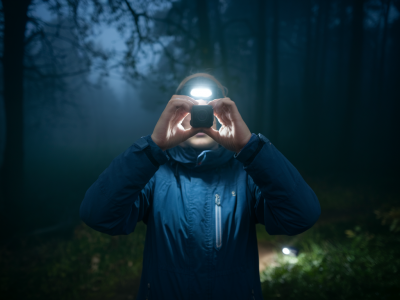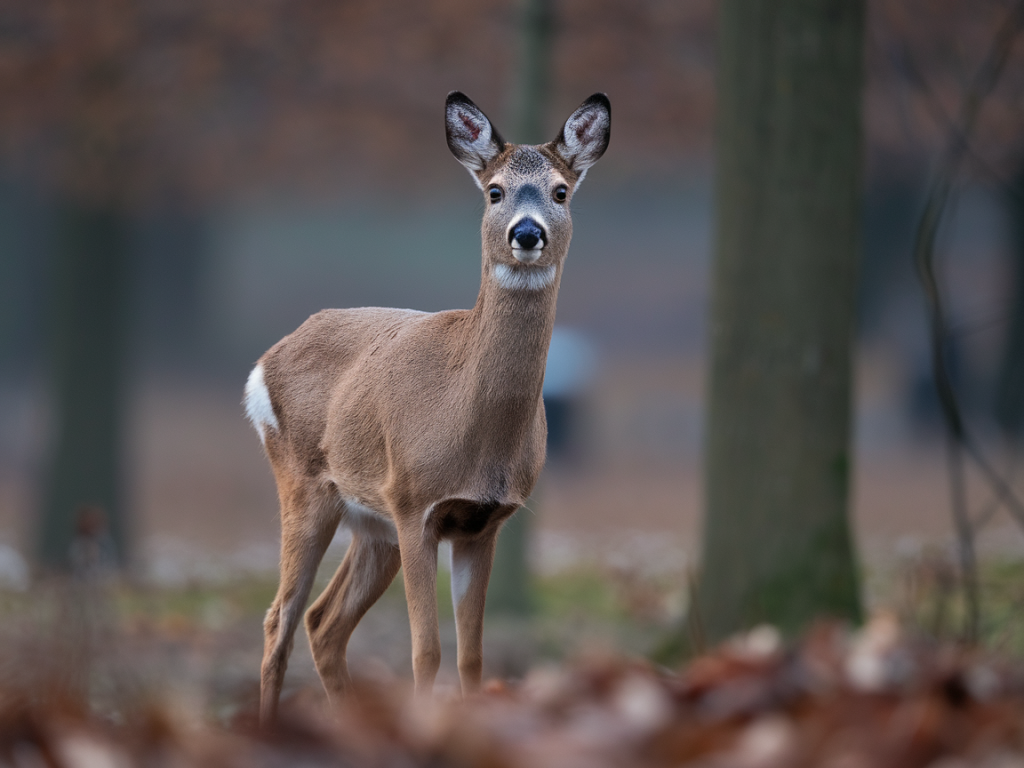
Dawn has a particular hush that seems made for roe deer. I’ve spent countless mornings standing on wet footpaths as the sky goes from navy to soft pink, watching these elegant, skittish animals slip out of cover to feed. Photographing them from public footpaths brings its own set of challenges: you can’t set up a hide on private land, you must keep to the right of way, and you have to balance getting a good image with not disturbing the deer. Over the years I’ve learned practical ways to increase the chance of nice images while keeping disturbance to an absolute minimum. Here’s my approach—what I do before I leave the house, on the path, and back at my desk editing RAW files.
Scout first, then return at dawn
I never rely on chance. If I’m planning to photograph roe deer, I’ll walk the route once or twice in daylight to learn likely feeding areas, bedding cover, and the line-of-sight from the public footpath. Roe prefer edges—field margins, young woodland, hedgerows and patches of bramble. Take notes (or GPS waypoints on your phone) of clearings and fence gaps where deer might step into view.
Arrive early. By ‘early’ I mean at least 30–45 minutes before official sunrise in order to settle, find the light you want and let wildlife return to normal activity. Being on the footpath beforehand also lets regular dog-walkers and other passersby move through rather than surprising deer when you arrive.
Gear I use and why
Your kit should help you stay still, quiet and ready for fleeting moments. I typically carry:
I occasionally use beanbags balanced on a post or gate when composition demands and a tripod would block the path. Avoid setups that force you to step off the public footpath onto private land.
Clothing and scent control
Dress muted and layered. I wear olive or brown base layers and a windproof outer that’s non-reflective. Avoid bright hats and gaiters that catch the eye. If you’re photographing regularly, rotate the clothes you wear to avoid transferring human scent consistently to one area. You can also leave clothes outdoors in the location the day before (where lawful) to reduce fresh odour—but always stay on public rights of way.
Approach: movement, wind and body language
Roe deer have excellent hearing and sense of smell, and they react to sudden movement. On public footpaths I keep my movements slow and deliberate. Key points:
Framing and composition from the path
Photographing from a footpath limits your angles, but can also create pleasing compositions: low-angled foreground grasses, hedgerow frames, and soft backlight at dawn. I try to:
Camera settings that work for me
Roe deer can be unpredictable, so I balance shutter speed, ISO and aperture for both sharpness and usable image quality. A typical starting point at dawn:
| Situation | Shutter | Aperture | ISO |
| Standing adult at rest | 1/320s | f/5.6 | ISO 800–1600 |
| Walking or alert | 1/640–1/1000s | f/5.6 | ISO 1600–3200 |
| Silhouette/backlit | 1/500s | f/8 | ISO 400–800 |
Shoot RAW. Use continuous AF with a small group of AF points over the eye zone or the upper body. If your camera allows, use quiet or electronic shutter modes to reduce disturbance. Turn off shutter sound and avoid noisy lens focus motors when possible.
Ethics and legal points on public footpaths
Respect is the most important part of wildlife photography. On public footpaths I always:
In the UK, public rights of way are for people to use but they do not give extra rights to enter private land; staying on the path usually keeps you within the law and shows respect for landowners and wildlife alike.
Patience, timing and expectation-setting
Not every dawn will produce a perfect image. Some mornings the deer stay deep in cover; other mornings they’ll stand in the open 100 metres away for a minute before moving off. I set realistic goals for each outing: sometimes I want a close portrait, sometimes I simply want a clean silhouette with backlight. Patience pays more than overly ambitious stalking attempts. If the deer move away, I let them go and make a mental note of where they went for the next visit.
Post-processing tips
I edit in Adobe Lightroom or Capture One. For dawn images I often:
Noise reduction is useful for high-ISO shots, but be careful not to over-smoothe fur—use local adjustments around the background while preserving detail on the deer.
Quick checklist before you go
Photographing roe deer from public footpaths is as much about restraint as it is about technical skill. The best images come from being invisible rather than intrusive—arrive early, be patient, read the animals, and prioritise their welfare over a single shot. When you do get that quiet moment—the light on their ears, the mist in the field—you’ll have a photograph that feels earned.