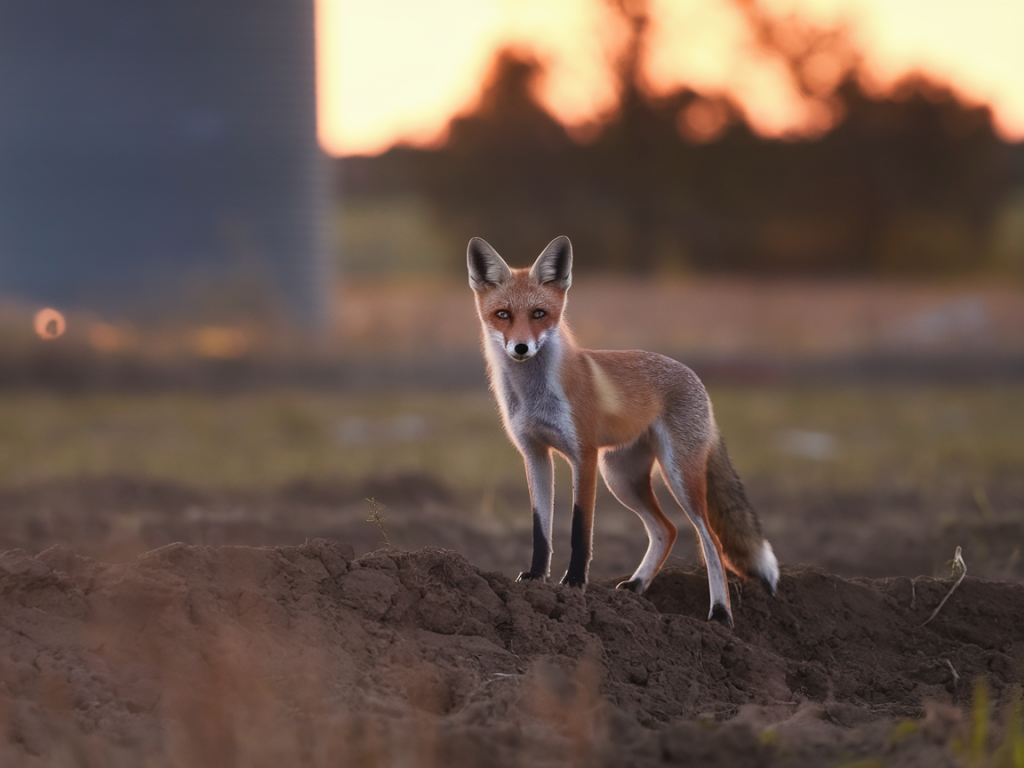
Dusk on farmland is one of my favourite times to be out with a camera. The light softens, hedgerows come alive with sound and colour, and red foxes often slip out to hunt and play. Photographing them without a hide can be challenging but deeply rewarding—provided you put the animals’ welfare first. Over years of wandering fields and hedges I've learned a few reliable methods to get natural, intimate fox shots at dusk while making sure pups and adults remain safe and undisturbed.
Scouting and timing: set yourself up before the light fades
I always start long before camera time. If you want to photograph foxes at dusk on farmland, spend time scouting in daylight. Learn where old scent lines, rabbit runs and hedgerow gaps are; note any earths or likely den sites; and talk to the landowner or tenant farmer. Permission is essential—not only for access but because local knowledge can tell you where pups might be denning so you can avoid those areas.
Foxes are crepuscular: activity peaks around dawn and dusk. I aim to arrive 30–60 minutes before sunset and stay after the sun dips to catch the golden hour and the initial blue hour. That window gives you a range of light conditions to work with and increases the chance of foxes appearing while they can still be photographed without excessively high ISO.
How I approach without a hide
Working without a hide is possible if you accept certain constraints: you need a long lens, slow and deliberate movement, and often to use existing cover. My process looks like this:
Gear that makes the difference
You don’t need the most expensive kit, but certain tools help a lot when you don’t have a hide:
Camera settings I use at dusk
Dusk conditions change rapidly; I prefer to prioritise frame rate and focus reliability over extreme low-noise settings. Typical starting points for me are:
Composition and behaviour tips
I try to predict paths foxes will use: hedgerow gaps, fence lines, and fence posts are natural perches. Getting low changes the perspective and makes your background more pleasing; I often lie on a mat or use my jacket as insulation. When composing, leave space in the frame for the fox to move into—they look more natural when heading towards open space.
Understanding fox behaviour helps a lot. A fox investigating a scent will hold its head high and still—great for portraits. A hunting fox is low and focused—fast shutter speeds let you freeze those moments. Juveniles can be playful and unpredictable; be ready for sudden bursts and keep camera settings flexible.
Keeping pups safe—ethical practice and dos & don’ts
Above all, never compromise cub safety. Disturbing a den can cause abandonment, and leading adults away from pups with bait or noise is cruel. My core rules are:
What to do if you find pups or a den
If you stumble across a den with pups, stop and withdraw quietly along your approach path to avoid crushing scent trails. Note the location from a distance but do not return that evening or the following days. If pups appear orphaned or injured, contact your local wildlife rescue or a wildlife trust; they can advise whether intervention is necessary. In many cases, adults will return once disturbance subsides.
Legal and landowner considerations
In the UK, foxes can legally be subject to control in certain circumstances, and farmland is private. Always obtain landowner permission. Be transparent about your intentions—landowners are often happy to help if you respect their property and livestock. Also check local bylaws: some areas have specific restrictions on night-time access or flashing lights near livestock.
Post-processing for dusk fox shots
I process RAW files to balance shadows and retain the mood of dusk. Key edits I use are:
Practical checklist before you go
| Permission | Landowner/tenant agreed? |
| Safety | Phone charged, torch with red filter, warm clothing |
| Gear | Long lens, monopod, spare batteries, headtorch |
| Ethics | No bait, no den approach, dogs controlled |
Photographing foxes at dusk on farmland without a hide takes patience, respect and some practical kit, but the payoffs are images and encounters that feel honest and natural. I always return home hoping I didn’t just get a great shot—but that I also left the place exactly as I found it, with foxes continuing their lives undisturbed.