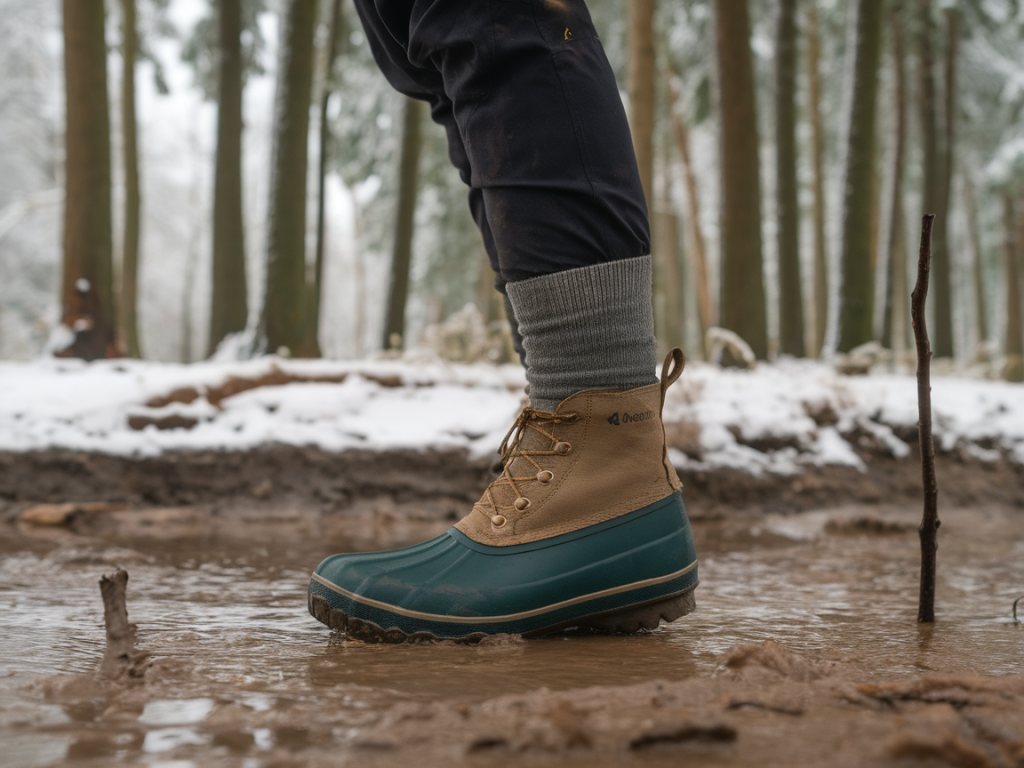
I’ve spent dozens of winter days wading through peat hag, heather and waterlogged tussocks across the UK, and one thing keeps coming back: blisters are the quickest way to ruin a long bog stomp. Over the years I’ve tried almost every sock, liner and boot combination I could get my hands on. Below I share what’s worked (and what hasn’t) for me on extended winter walks — the sort of muddy, wet, cold days where waterproofing, fit and breathability all have to work together.
Why blisters happen on winter bog stomps
Before picking products, it helps to understand the main causes of blisters in these conditions. For me the usual culprits are:
So the goal is simple: keep feet dry (from external water and internal sweat), eliminate movement of the foot inside the boot, and remove hotspots early.
Waterproof socks vs waterproof boots: which to choose?
There are two main strategies I use, and often I combine them:
My experience is that combining a waterproof sock with a breathable, well-fitted boot gives the best blister protection on extended bog stomps — but the details matter.
Key fit and layering principles
Use these rules when pairing socks and boots:
Products and combos I use and recommend
Here are the specific combinations I’ve tested and would reach for on a multi-hour winter bog stomp. I name brands because real-life testing matters — different constructions behave differently in the field.
| Boot | Waterproof sock | When I use this |
|---|---|---|
| Meindl Vakuum GTX (leather, Gore-Tex) | SealSkinz All Weather Mid | Cold, boggy days with lots of standing water; leather holds shape and Gore-Tex breathes well with moderate effort. |
| La Sportiva Nucleo High II GTX (synthetic, Nikwax/Gore) | DexShell Waterproof Ultra Thin liner + thick merino outer | Wet heather and long days where I want lighter weight but waterproofing for crossings. |
| Scarpa Zodiac Plus GTX (rugged approach boot) | SealSkinz Knee-length for deep bogs + wool blend mid sock | Very wet sections, peat hags, or when I expect to be ankle-to-knee in water. |
| Rubber, insulated wellies (like Le Chameau) | No waterproof sock — just thick merino or synthetic | When I want total waterproofing and warmth for short strikes; not ideal for long marches due to sweat. |
Why these combos work
The pattern I’ve found: a supportive, well-shaped boot that limits foot movement combined with a waterproof sock that stops external water drastically reduces blister incidents. Two specific advantages:
Practical tips I follow in the field
Some habits make a bigger difference than changing brands:
When waterproof socks fail
They do sometimes. Waterproof socks can become saturated from inside due to sweat when exertion is high and the outer fabric can get saturated by mud over time, reducing breathability. In those cases, I’ll switch to a breathable boot and change to a dry liner and mid-weight merino sock once the saturated layer starts to cause hotspots.
Blister prevention protocol I use
Before a long winter stomp I follow the same checklist:
Blisters are preventable with the right combo of fit, materials and hygiene. For extended UK winter bog stomps I’ve found the best results come from pairing a well-fitting, breathable boot with a high-quality waterproof sock — and being prepared to change layers and dry feet when the opportunity arises. If you want, I can write a follow-up post testing a few waterproof sock models side-by-side in identical wet conditions and report on breathability, comfort and durability after repeated use.