Gear

How to pack a coast-to-coast microadventure kit in a 30l rucksack and still carry camera essentials

How to pack a coast-to-coast microadventure kit in a 30l rucksack and still carry camera essentials

I’ve learned to travel light without sacrificing the things that make a microadventure feel complete: a dry shelter, warm layers, a hot drink, and my camera kit. Packing for a coast-to-coast microadventure in a 30‑litre rucksack is an exercise in priorities and organisation — it forces you to decide what truly matters and to carry only what you’ll use. Below I’ll walk you through how I pack a 30L pack for multi-day minimalist walking with camera essentials included, sharing practical tips, a sample kit list, and how I protect my gear from the British weather.

Packing philosophy: function over fashion

When I plan a microadventure that might cross varied terrain and weather, I pack with three rules in mind:

  • Prioritise essentials: shelter, warmth, navigation, food, water, and a camera. Everything else is optional.
  • Use multi‑purpose items: a buff becomes a hat, a lightweight jacket doubles as an emergency warm layer, a compression sack transforms gear into neat blocks.
  • Protect the camera first: camera failure ruins the trip more than worn socks.
  • These rules shape how I select items and how I physically place them in the 30L pack so the weight is balanced and gear is accessible.

    Choosing the right 30L rucksack

    Not all 30L packs are equal. For coast-to-coast microadventures I want a pack with a comfortable harness, an external attachment point or two, and a rain cover or waterproof fabric. My favourites include:

  • Peak Design Everyday Backpack 30L — brilliant camera organisation if you want easy access to bodies and lenses; weatherproof shell.
  • Osprey Talon 22/33 (if you need a touch more room, the 33 is a comfy step up) — ventilated back, simple and tough.
  • Patagonia Nine Trails 28L — lightweight, comfortable, good for day-to-overnight trips.
  • What matters more than brand is fit. Make sure the shoulder straps and hip belt are comfortable when the pack is loaded to expected weight (8–12 kg for a very light two‑to‑three day walk).

    How I organise my pack: zones and access

    I divide the pack into three zones:

  • Top/outer pocket (easy access): map, phone, snacks, sunglasses, buff, compass, lightweight gloves.
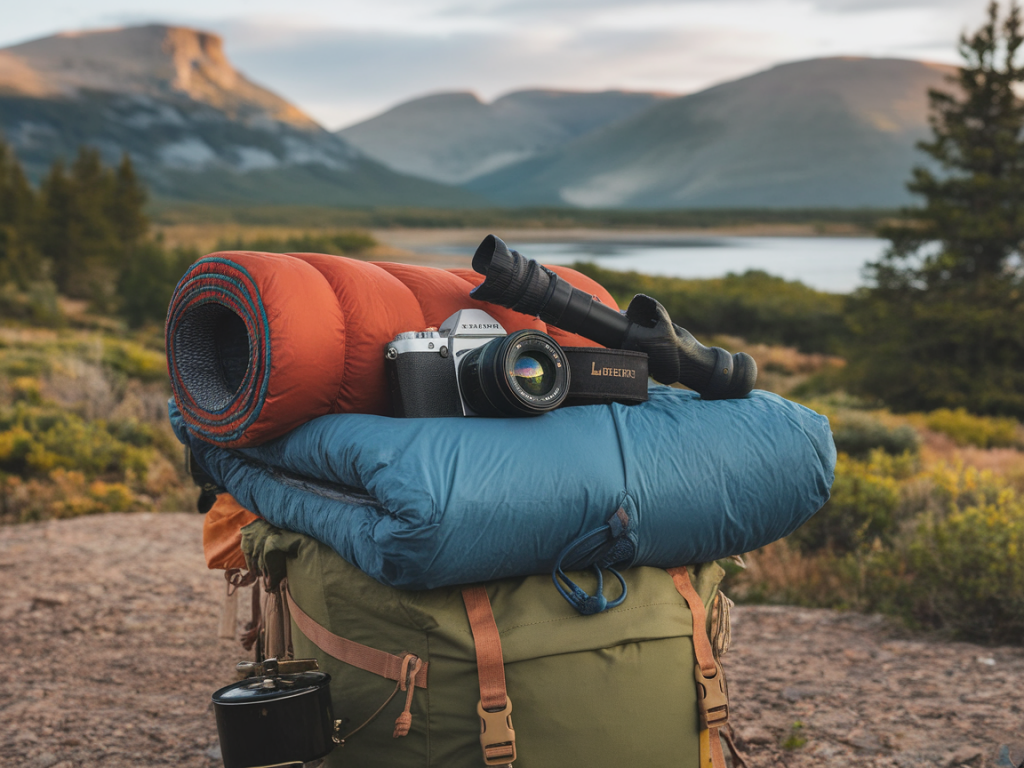
  • Main compartment (balanced load): heavier items close to your back — water bladder or bottles, stove and food, camera in protective pouch, clothing rolled in compression sack.
  • Bottom/external: sleeping kit (if using a small quilt or bivvy) or spare shoes. Rain cover or jacket clipped here if wet weather is expected.
  • This keeps the centre of gravity high and tight to your back so the pack carries well over long miles.

    Camera essentials for a 30L microadventure

    I treat the camera kit as non-negotiable but minimal. My typical camera loadout:

  • Body: A mirrorless body like a Sony A7 series or Fujifilm X-T series — small, weather‑resistant and excellent image quality.
  • Lenses: two-lens strategy — a versatile zoom (e.g. 24‑70mm equivalent) and a lightweight tele like 70‑200mm or a 50/1.8 for low-light and portraits. If you must go lighter, one lens (24‑105) will cover most scenarios.
  • Spare battery and charger: cold drains batteries fast. I carry two batteries per body and keep one close to my body to keep it warm.
  • Memory cards: two cards with redundancy or one card and a portable backup drive if you’re shooting a lot.
  • Protection: padded insert (Peak Design or Lowepro) or a camera cube inside the pack, and a small waterproof drybag for extra peace of mind.
  • Tripod: a small travel tripod (e.g. Peak Design Travel Tripod or a carbon fibre mini) — I use it rarely on a fast microadventure but it’s invaluable for dusk/dawn landscape work.
  • Every piece is weighed against the question: “Will this make or break the day?” If the answer is no, it stays home.

    Sample 30L packing list (with approximate weights)

    ItemApprox weight
    Rucksack (30L)0.9 kg
    Lightweight bivvy or tarp + cord0.6 kg
    Sleeping quilt (summer)0.9 kg
    Insulating layer (down jacket)0.4 kg
    Water (1.5 L)1.5 kg
    Food (2 days)0.8 kg
    Stove + fuel (ultralight canister)0.3 kg
    Navigation & first aid0.25 kg
    Camera body + lens0.8 kg
    Second lens0.5 kg
    Batteries & cards0.15 kg
    Small tripod or minitripod0.4 kg
    Waterproofs (jacket + trousers)0.5 kg
    Spare socks & base layer0.3 kg

    Total roughly: 8–10 kg depending on choices. That’s comfortable for long days and still leaves capacity for extras like binoculars or a heavier sleeping system if the route needs it.

    Waterproofing and weatherproofing

    UK weather is unpredictable — it’s the one constant I plan around. Ways I keep camera gear safe:

  • Camera insert in a drybag: even if the pack soaks, the drybag protects electronics.
  • Pack rain cover: a simple, lightweight cover goes over the whole bag when rain is heavy.
  • Silica gel: a few sachets in the camera pouch help reduce condensation overnight.
  • Lens cloth and dust blower: quick clean after sea spray or rain.
  • At campsites I always remove electronics from the pack and keep them inside my sleeping quilt or jacket for warmth and dryness overnight.

    Food, fuel and small comforts

    Food should be light, calorie-dense and simple to cook. I favour:

  • Instant couscous or rice with dehydrated veg for dinners.
  • High-calorie snacks like nut mixes, bars and cheese for the day.
  • Hot drinks in the morning — a small stove improves morale more than you’d expect.
  • Small comforts go a long way: a lightweight sit mat, a tiny headtorch, and a foldable mug are low weight but high value.

    Packing tips that save space and time

  • Roll clothes tightly: use small dry sacks or compression sacks to reduce volume and segregate wet vs dry.
  • Use inner pockets: keep batteries, lens cloths, and cards in the lid or hip-belt pockets for fast access.
  • Clip bulky items externally: a thermos or tripod can live on side straps if balanced correctly.
  • Test pack at home: load it, walk for an hour. If something feels unnecessary, it probably is.
  • Packing a 30L rucksack for a coast-to-coast microadventure is about being honest with yourself: what will you use, and what’s sentimental weight? Trim ruthlessly, protect the camera, and arrange gear so the pack carries comfortably mile after mile. Done right, you’ll have everything you need to enjoy long days, catch great light, and still sleep well under the stars.
    You should also check the following news:

    How to log and submit rare bird sightings to the bto from your smartphone: exact photo and data checklist

    How to log and submit rare bird sightings to the bto from your smartphone: exact photo and data checklist

    I’ve lost count of the times a flash of something unexpected has stopped me mid-step on a muddy...

    Mar 16
    Which waterproof sock and boot combo stops blisters on extended UK winter bog stomps

    Which waterproof sock and boot combo stops blisters on extended UK winter bog stomps

    I’ve spent dozens of winter days wading through peat hag, heather and waterlogged tussocks across...

    Mar 12