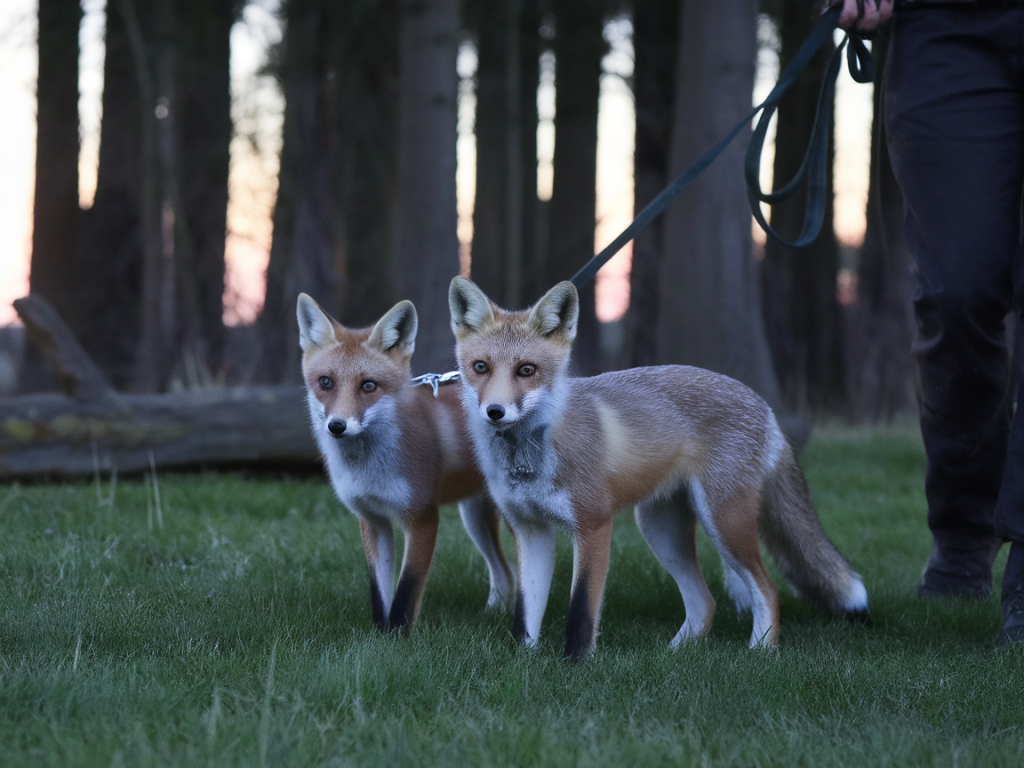
I started watching urban and rural foxes years ago, initially out of simple curiosity and a love for photographing wildlife in its most candid moments. Dusk is a magical time: the light softens, activity increases, and foxes — especially family groups with pups — can be remarkably visible. But dusk foxwatching carries responsibilities. In this post I’ll share how I plan a dusk foxwatch walk that prioritises pup safety and produces ethical, meaningful photos. These are practices I’ve developed on countless evening walks across UK towpaths, edges of woodlands and suburban green spaces.
Choosing the right location
Not every patch of scrub is suitable for a dusk foxwatch. My starting point is always habitat and disturbance assessment. I look for places with:
If I’m trying a new spot, I visit during daytime first to map likely den sites and trails. This reconnaissance helps me plan where to stand or sit without being intrusive.
Timing and weather
Foxes are crepuscular; they’re most active at dawn and dusk. For pup activity specifically, I aim for the hour before and after sunset. In summer months that might be later in the evening, while in winter it’s earlier. I check local sunset times and arrive at least 20–30 minutes before the golden hour ends so I can settle quietly.
Weather matters. Light rain often reduces human presence and can be good for fox movements, but heavy rain or strong wind makes pups stay in the den. I avoid freezing temperatures — pups can be vulnerable — and windy nights where sound carries oddly and stresses wildlife.
Approach, distance and positioning
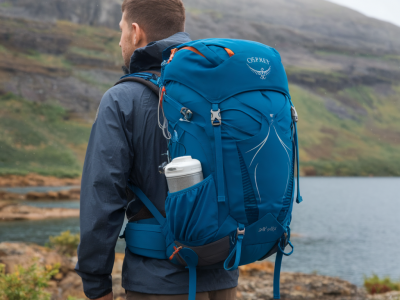
The most important rule I follow: let the foxes choose the interaction. I position myself downwind if possible and use natural cover — a low wall, hedge or my rucksack as a blind. I never approach dens or known resting spots directly.
Behavioural signs to watch for
Reading body language is critical. Calm, foraging behaviour and relaxed postures suggest it’s safe to stay. Signs of stress include raised hackles, barking, freezing and frequent glancing at human positions. Pup-specific signs include hesitant movement near a den, repeated returns to the den, or adults herding pups away.
If I spot any of these stress signals I stop photography and give space. Pups are more vulnerable than adults — they can become separated or stressed by persistent disturbance.
Camera gear and settings for dusk foxwatch
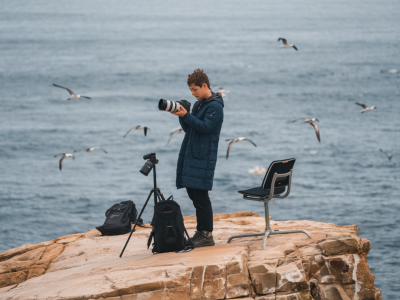
I prefer gear that balances reach and mobility. My typical setup for dusk foxwatching:
Typical settings to start with at dusk:
| Mode | Manual or Aperture priority |
| Aperture | Wide as possible (f/2.8–f/5.6) depending on lens |
| Shutter speed | 1/500s or faster for active pups; 1/250s may be acceptable if stationary |
| ISO | Start at 1600–3200 and adjust (modern cameras handle 6400 well for social media-sized images) |
| Focus | Continuous AF with a single focus point or small zone on the head/eye |
I also shoot RAW to retain shadow detail; dusk scenes can trick camera meters and RAW gives the latitude for gentle exposure recovery.
Ethical photography practices
Photography should never come at the cost of animal welfare. My ethics checklist before I press the shutter:
When sharing images on social media or the blog, I include a short caption about responsible viewing (e.g., “Visited at dusk; kept 30m distance; no flash or bait used”) and avoid sharing precise map pins for active dens.
Working with pups: extra care
Pups are curious and vulnerable. If pups appear and approach, I freeze, crouch down and avoid eye contact — smaller movements reduce their curiosity. I don’t attempt to attract or feed them; interactions with humans can lead to long-term problems like habituation or conflict.
If pups become separated or in apparent danger (e.g., on a busy road), the right response is to contact local wildlife rescue or the RSPCA — not to intervene directly unless you’re trained. Often adult foxes will move them back or the fledgling will find its way; human interference can make the situation worse.
Minimising long-term impact
One successful walk shouldn’t create disturbance for the next. I keep notes on repeated sightings and avoid returning to the same den every evening. Rotating observation sites reduces cumulative stress on local fox populations.
Practical kit for evening walks
Comfort and safety for me mean I can watch longer with less disturbance. I usually take:
Keeping noise low includes silencing phones and avoiding crunchy snack wrappers. I also leave no trace — any litter, including biodegradable food scraps, can attract other animals and create problems.
On good evenings I’ll come away with a handful of honest images and the quieter reward of watching family dynamics unfold. Ethical foxwatching is about more than a photo; it’s about ensuring these animals keep their wariness of humans while still being visible in the edges of our towns and countryside. With planning, patience and respect, dusk walks can be safe for pups and rich for photographers.