Gear

What to check on secondhand walking boots before buying: a field-tested checklist for uk muddy trails

What to check on secondhand walking boots before buying: a field-tested checklist for uk muddy trails

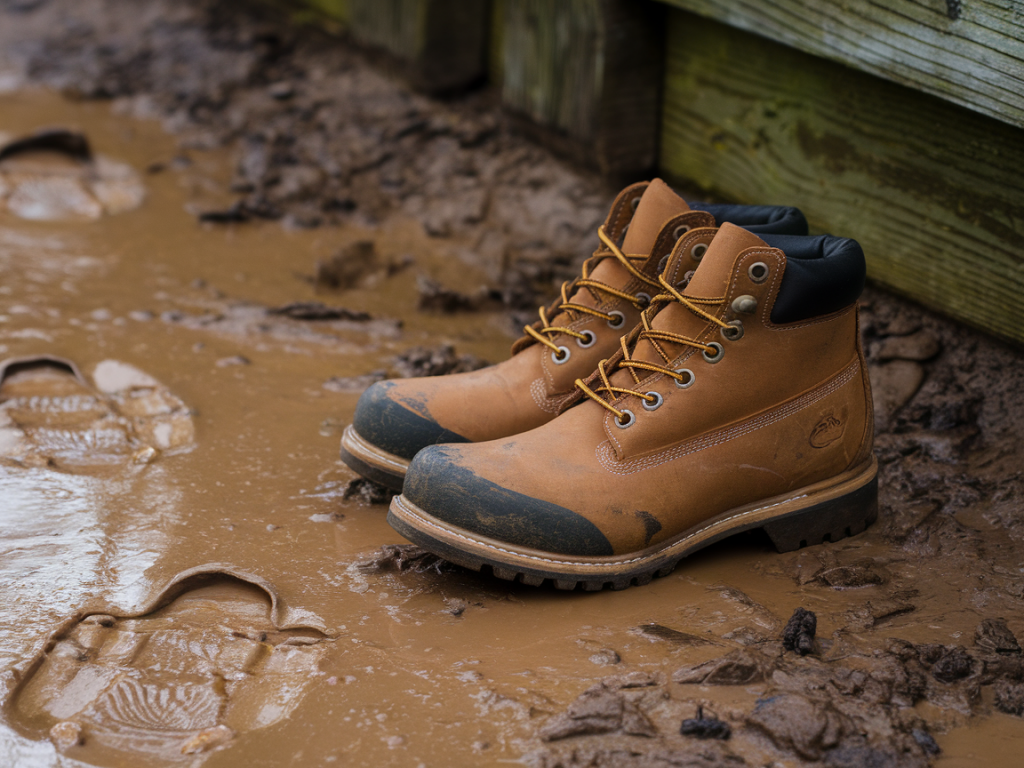
If you’re like me, a good pair of walking boots is the difference between a day spent enjoying boggy moors and one ruined by sore feet or wet socks. Buying secondhand boots is a great way to save money and reduce waste, but it takes a bit of know-how to avoid a dud. I’ve tested and worn plenty of boots across UK mud, peat and shingle, so here’s the field-tested checklist I use before buying pre-owned footwear—straightforward checks you can do in person or ask the seller about if you’re buying online.

Why buy secondhand?

Before the checklist, a quick word on why I buy used boots. Good-quality boots (Scarpa, Meindl, Lowa, La Sportiva, Hanwag, Berghaus, Rab) can last thousands of miles if cared for. Buying secondhand lets you access higher-end models for less money and keeps still-usable kit out of landfill. But the key is checking for hidden wear: worn midsoles or compromised waterproofing can turn a bargain into a costlier mistake.

Quick visual inspection

Start with an overall look—don’t rush. This tells you a lot.

  • Upper condition: Inspect leather, suede or synthetic for deep cracks, large tears or separated seams. Surface scuffs are fine; structural splits at the toe box or heel are not.
  • Stitching and glued joints: Gently pull at the seam lines—if stitching is loose or glue is failing, repair costs can add up.
  • Eyelets and lace hooks: Make sure metal eyelets aren’t bent or popping out and that speed hooks are intact. Replacing hardware is possible but fiddly.
  • Sole and tread: the most important checks

    The sole tells you how much life the boot has left and how it’ll grip in mud. I always get down on my knees and look closely.

  • Tread depth: Look for uneven wear (often the heel and ball of the foot). If the lugs are ground down smooth, grip will be poor on wet rock and muddy trails.
  • Sole separation: Check where the sole meets the upper. Any gaps, bubbling or signs of recent glue are red flags.
  • Midsole compression: Squeeze the boot around the midfoot. If it feels flat or overly soft, the EVA or polyurethane midsole may be crushed and won’t provide support or cushioning.
  • Tread depth (mm) What it means for UK muddy trails
    6+ mm Excellent grip, plenty of life left for wet mud and soft ground
    3–6 mm Reasonable, may struggle on very wet rock; still usable for casual walkers
    0–3 mm Worn—expect slipping on roots and bog; consider resoling or pass

    Flex and heel counter

    These two tests reveal how supportive the boot is.

  • Flex test: Hold the toe and heel and bend the boot. There should be some natural flex at the ball of the foot but not excessive folding in the midsole. Boots that fold in the middle often have a broken shank.
  • Heel counter: Squeeze the heel cup. It should be firm and return to shape—if it’s soft or collapses, you’ll get heel slippage and poor support on long days.
  • Waterproofing and liners

    Waterproof membranes like Gore‑Tex are common but not invincible. There’s no quick test short of a dip, but you can inspect and ask specific questions:

  • Ask the seller how long they’ve used the boots and whether they’ve been submerged or exposed to prolonged wet conditions.
  • Check the inner lining for delamination or wet patches that never dried—this can indicate a failed membrane.
  • Smell test: Persistent damp or musty odours can mean long-term wetness; membranes might be compromised or the footbed needs replacing.
  • Insoles, footbed and fit

    People often remove or replace insoles. Make sure you know the true state of the footbed.

  • Remove the insole (if possible) to check the interior: look for compression marks or dampness.
  • Try them on with your typical walking socks. Boots can change shape with wear—if the heel slips or toes smash the front, they won’t be comfortable on a long hike.
  • Check for orthotic-friendly space if you use insoles—some boots are easier to customise than others.
  • Age and usage history

    Two boots can look similar but have very different miles. Ask the seller specific questions:

  • How many years have these been used? A pair used intensively for two seasons can be more worn than three seasons of casual weekend walks.
  • What kind of terrain? Sand and grit accelerate sole wear; mountains and rocks stress uppers and seams.
  • Have they been resoles or repaired? Resoling is a positive sign if done well by a recognised cobbler—get details on when and how.
  • Red flags to walk away from

  • Visible sole separation or crumbling midsoles.
  • Collapsed heel cup or midsole that folds in the wrong place.
  • Deep cuts through the upper or irreparable leather splits.
  • Strong, persistent damp smell indicating long-term membrane failure.
  • Questions to ask the seller

  • Why are you selling? (Genuine reasons include size change or upgrade.)
  • What terrain did you use them on?
  • Any repairs or resoles? When and where?
  • Do they include the original insole?
  • Are they true to size compared with the manufacturer’s last?
  • Price and value—what’s reasonable?

    Compare the asking price to new equivalents. As a rule of thumb I look for at least a 50% discount on recent, lightly used mid-to-high-end boots with good tread. If the boot has had a resoling by a reputable repairer, a higher asking price is fair because resoling is often costly.

    Field test when possible

    My favourite part: try them on a muddy patch, a grassy slope or a short stony section if the seller is local. Walk at a brisk pace, climb a kerb or small step and feel for heel slip, midfoot collapse, and ankle support. Pay attention to hotspots—if your toes hit the end on a short test, they’ll be painful on a long descent.

    Small fixes that make a big difference

    Some issues are easy to fix:

  • New laces and insoles will revitalise comfort and fit.
  • Waterproofing treatments (Nikwax, Granger’s) can revive water repellency on leather or fabric, although they don’t fix failed membranes.
  • Cobblers can resole good uppers for a surprisingly fair price—ask your local repairer for quotes.
  • Buying secondhand is a balance between thrift and realism. With a careful check—sole, midsole, heel, waterproofing, and an honest chat with the seller—you can find boots that’ll carry you through years of UK mud and rain. Keep this checklist on your phone when you inspect a pair; it’s saved me from a few poor decisions and led to some great finds that have clocked many happy miles.


    You should also check the following news:

    How to photograph a wary badger sett at dusk without a hide and avoid disturbance

    How to photograph a wary badger sett at dusk without a hide and avoid disturbance

    I remember the first time I saw a badger emerge at dusk near a wood I’d been watching for weeks....

    Jul 10