Picking the right time for a birding walk in the UK is as much about reading weather patterns as it is about choosing a route. Over thousands of hours in the field I’ve learned that clouds and wind tell you a lot: where birds will be, how visible they’ll be, and whether your wandering will feel productive or frustrating. In this piece I share the practical, boots-on-the-ground approach I use to interpret cloud types, pressure systems and wind direction so you can get the best out of a birding outing.
Why clouds and wind matter for birding
Cloud cover and wind affect bird behaviour, visibility and accessibility. Low, steady cloud and easterly winds can push migrants inland; clear, sunny skies often bring songsters up into tree canopies; and strong westerlies can force seabirds to hug the coast. Learning the patterns helps you pick a direction to walk, a time of day, and the right spot to stand quietly and wait.
Common cloud types and what they mean for birds
Clouds aren’t just pretty backdrops — they’re clues. Here are the ones I check most often before heading out:
Wind direction — the birding compass
Wind direction is the single most useful piece of weather information I check. It shapes migration routes and local movement.
Pressure systems and fronts
High pressure = settled weather; low pressure = fronts and change. I check pressure trends more than absolute numbers: a rising barometer after a low often coincides with post-front arrivals — tired migrants dropping into sheltered spots. Conversely, falling pressure with an approaching front signals active movement as birds try to move before conditions deteriorate.
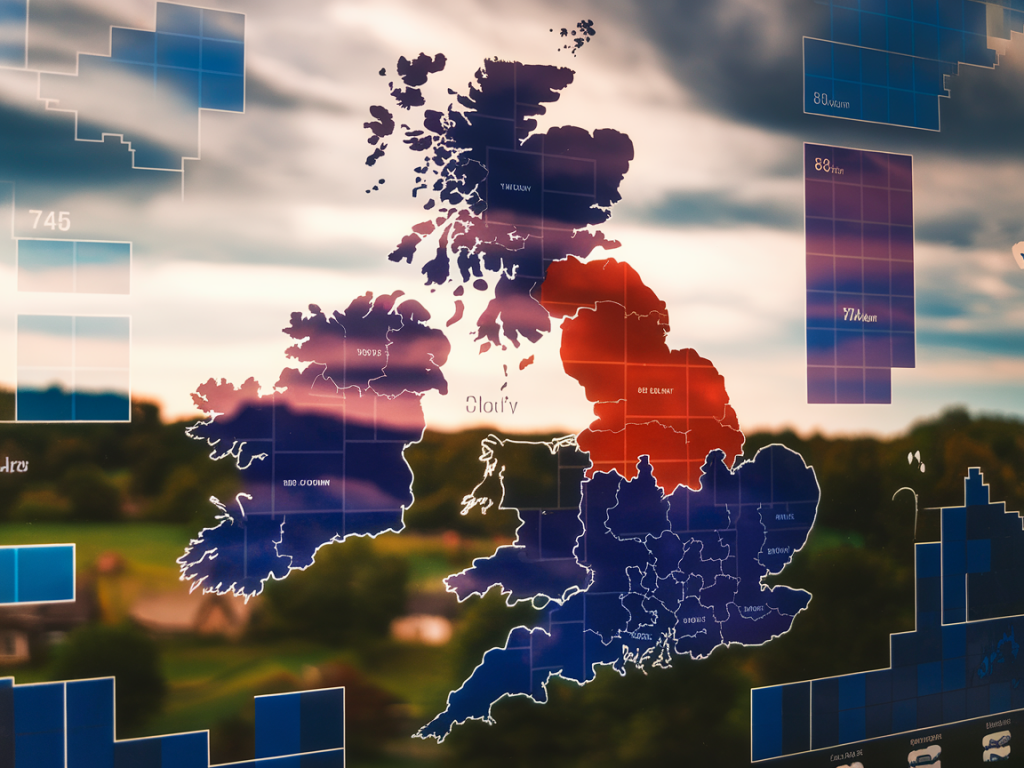
How I use weather apps and charts
I combine basic cloud-and-wind reading with a few reliable tools:
My practical routine: I’ll look at the synoptic chart to see if we’re in a high or low regime, check Windy for surface wind and 850 hPa wind (roughly 1.5 km up, useful for migrants), then scan local observations to see what’s turning up.
Deciding when to go — time of day and conditions
Time of day is almost as important as weather. Here’s what I aim for:
If a front is approaching, I often head out a few hours before the worst weather hits: migration intensifies ahead of deterioration. After heavy rain I’ll still go — puddles and wet ground can produce concentrated feeding, especially for waders and thrushes.
Spotting the micro-signs on the walk
Once on site, cloud and wind reading continues. I look for:
Quick decision table: where to go based on conditions
| Condition | Where I choose to go |
|---|---|
| Strong westerly + overcast | East-facing headlands, estuaries and sheltered coastal spots |
| Light southerly + clear | Coastal reserves, wetlands and open farmland for migrants and waders |
| Light easterly + spring/autumn | East coast stopover sites and inland lowland scrub |
| Cold northerly + clear | Upland ridges and open moorland for raptors and wintering thrushes |
| After heavy rain | Fields, ditches and margins for puddle- and ground-feeding birds |
Gear and practical tips
Bring layers and waterproofs — UK weather changes fast. I always carry:
Also, if wind is strong, position yourself with your back to a hedgerow or bank to reduce noise and increase comfort. On coasts, stand on the leeward side of a headland to see birds coming in closer to shore.
Final field habits to adopt
Make weather reading part of your pre-walk routine. Spend five minutes with a synoptic chart and a wind map, then throw an eye at the sky: cloud base, movement, and any high cirrus. Keep a small log of conditions vs sightings — after a few seasons you’ll start recognising your own local patterns. Above all, stay flexible: sometimes a short, well-timed walk on an ordinary day will beat a full day out in the wrong conditions.