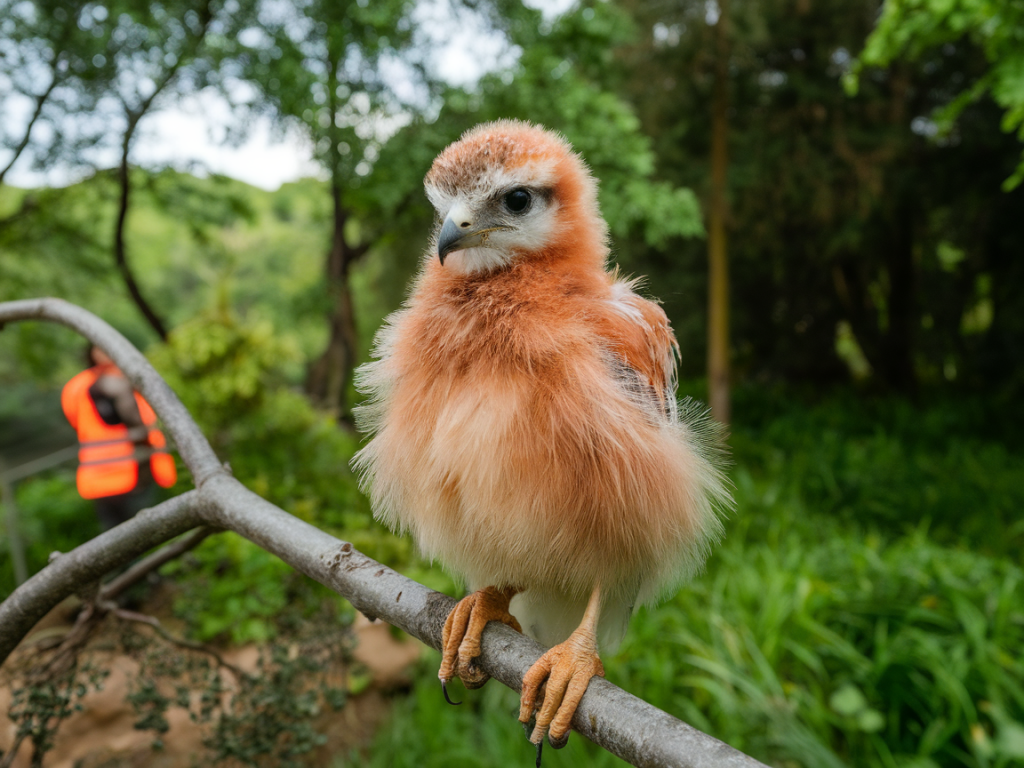
Finding a wandering red kite chick on a roadside verge, in a garden or in a field can be worrying. I’ve come across young raptors on more than one walk and learned that staying calm, observing carefully and following a clear set of steps is the best way to help. Below I’ll walk you through exactly what I do when I find a stray red kite chick, what information to collect, who to contact and how to report the sighting to local rangers or rescue organisations.
First impressions: stay put and observe
If you spot a chick, the first thing I do is stop, stay quiet and keep my distance. Many young kites spend time on the ground while parents are out hunting — they’re not necessarily abandoned. Approaching too quickly or trying to pick them up can stress the bird, prompt the parents to abandon the area, or even lead to injury.
What I look for in those first moments:
If there’s an immediate hazard (for example, it’s on the road), I’ll put myself between the chick and the threat at a safe distance, and try to slow traffic or distract dogs. But I avoid physical contact unless it’s the only way to prevent imminent harm.
Quick checklist of equipment to carry on walks
I always have a small kit with me that helps in these situations:
How to tell if a chick truly needs rescuing
Red kite chicks are often left alone for hours as parents hunt. Before calling for help, I try to determine whether the bird is sick, injured or genuinely orphaned. Signs that a chick needs rescue:
Signs it can safely be left in place under observation:
Information to collect — what local rangers need to know
When I report a stray chick, I make sure I have the essential facts. The more accurate the information, the faster rescuers can respond. Use this table as a quick reference for what to note down or photograph.
| Information | Why it’s useful |
|---|---|
| Exact location (GPS coordinates if possible) | Helps rangers find the bird quickly |
| Nearest landmark / road name | Useful if GPS fails or for emergency services |
| Date and time | Shows how long the bird may have been in that spot |
| Behaviour (calling, moving, injured) | Indicates urgency and type of response needed |
| Estimated age (downy chick, fledgling, young plumage) | Affects whether it should be left or rescued |
| Photos / short video | Allows experts to assess condition remotely |
| Any immediate threats (dogs, traffic, livestock) | Helps prioritise rescue response |
How to safely approach if you must move the chick
If a chick is in imminent danger and there’s no way to keep predators or traffic away, a quick, calm move might be necessary. Only do this if you’re comfortable and it’s safe for both you and the bird.
Who to contact — local rangers and rescue organisations
In the UK there’s a network of organisations that deal with injured or orphaned raptors. When I’m out I keep the following contacts handy and use whichever is appropriate to the location:
As an example, my message template when I call or email is short and to the point — it’s what I use on walks:
Reporting online or via apps
Many local Wildlife Trusts and birding networks accept reports through websites or apps. I often use:
When using an app, attach at least one clear photo and the GPS-enabled location. That’s often enough for a rescuer to triage the case remotely.
Legal and ethical considerations
Red kites are a protected species in the UK. That means you should not keep or attempt to rehabilitate the bird yourself. It’s illegal to keep protected wild birds without a licence, and inexperienced handling can do more harm than good. The best help you can offer is accurate information, a safe buffer from immediate threats and prompt contact with authorised rescuers.
What happens next — realistically
Once I’ve reported, responses vary depending on location and the urgency. Rangers or rescue centres will often ask you to keep watch and report any changes. If the bird is clearly a fledgling and parents are present, they may advise to leave it alone. If it’s injured or in danger, they’ll arrange collection or give you instructions on temporary care until someone arrives.
If you’re asked to transport the bird, keep it contained, warm and quiet in the car, and drive carefully. Call ahead so the receiving centre is ready. Many wildlife centres rely on volunteers and limited resources, so clear, concise information and photos really help them prioritise cases.
Practical tips from the field
I’ve found that a measured, informed response helps most birds. You don’t need to be an expert to make a big difference — just keep your distance, gather the right information and get the right people involved. If you enjoy walks near nesting areas, it’s worth learning local rescue contacts and keeping a small kit in the car. That way you’ll be ready to help a young kite get back on its feet — safely and legally.