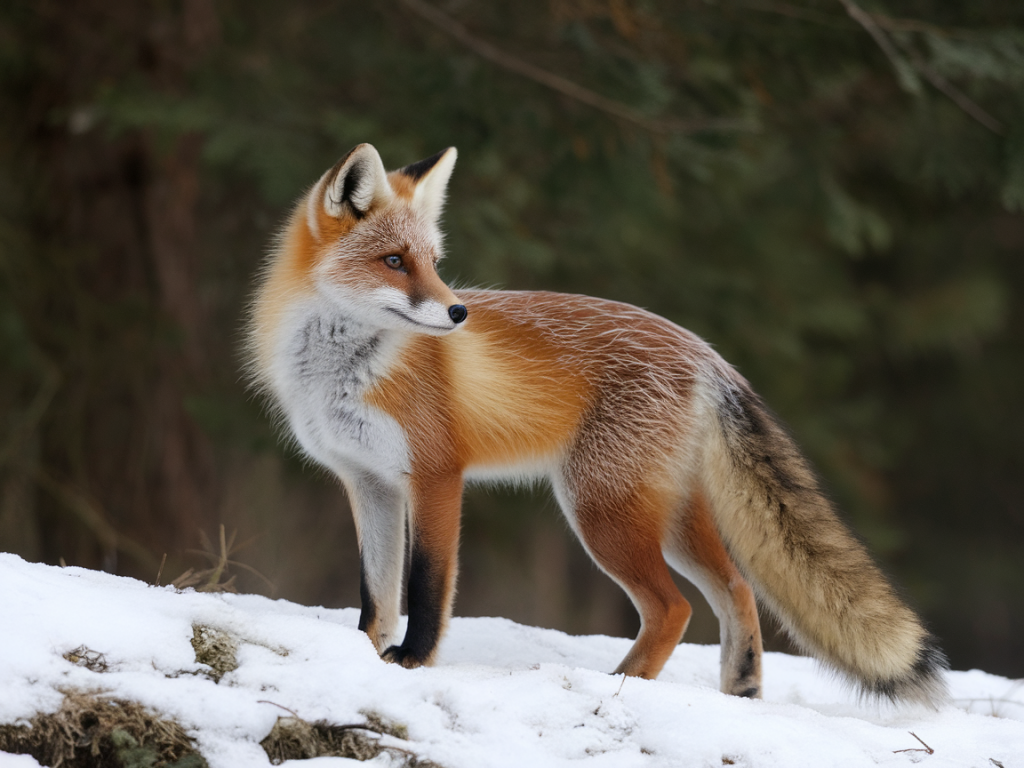
I often get asked how I photograph foxes at dusk without using a hide. It’s one of my favourite challenges: the light is beautiful, the animals are active, and there’s an intimacy to images made out in the open. But it’s also a time when mistakes can disturb wildlife or put you and the animal at risk. Below I share the practical, ethical approach I use—based on thousands of hours in the field—so you can get closer to foxes responsibly, keep them wild, and still produce strong pictures.
Why dusk?
Dusk is prime-time for foxes. They move, hunt and socialise as daylight fades, offering natural behaviour that’s hard to capture during the day. The low light creates atmosphere: warm edges, rim light and long shadows that help separate foxes from backgrounds. But working at dusk raises specific ethical and technical issues: how to see and focus, how to avoid stressing animals, and how to minimise disturbance when you don’t have a hide.
Prioritise welfare over images
I always put animal welfare first. That means if a fox shows any sign of stress—freezing, repeated vocalising, abandoning a den, or acting unusually skittish—I stop. Period.
Some practical rules I follow:
Scouting and location choice
Find places foxes use regularly—field edges, hedgerows, railway embankments, and urban greens. I scout in daylight to identify likely routes, bedding sites and escape cover. This saves a lot of trial-and-error in low light and helps avoid accidental disturbance of dens or pups.
When choosing a shooting location without a hide I look for:
Approach and movement
Approach slowly and silently. I stop frequently and observe—foxes often freeze and assess. Sudden movement is the quickest way to spook them. Keep movements low and predictable: crouch rather than stand up quickly, and avoid direct eye contact which can be perceived as threatening.
Use of light and artificial lighting — ethical considerations
I avoid strong continuous lights directly on foxes. Flash and bright torches can disorient nocturnal animals and should be used sparingly. If you must use light for focusing or safety, keep it low and angled away from eyes. Consider using a red filter on torches—red is less startling and helps preserve your night vision.
For subtle fill I sometimes use a dim headlamp (e.g., Petzl NAO-style) with a red or low-blue setting to check composition and focus, then cut it off before shooting. Avoid infrared illuminators that may be invisible to you but can still affect animal behaviour.
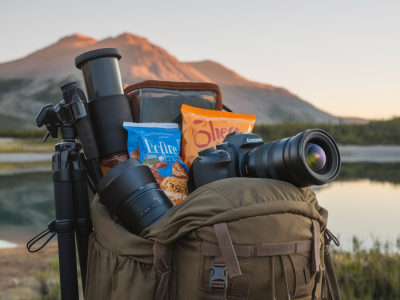
Gear I recommend for dusk fox photography
Working without a hide means balancing mobility, reach and low-light performance.
Practical camera settings
These are starting points; adapt them to the light and behaviour you find. If the fox is moving, prioritise shutter speed over background sharpness.
| Mode | Manual or Aperture Priority |
| Aperture | f/2.8–f/5.6 to keep subject isolated and allow faster shutter |
| Shutter speed | 1/500s+ for running; 1/250–1/500s for walking; 1/125s if very still and stabilised |
| ISO | Start 1600–6400 depending on camera; push only if necessary |
| AF | Continuous AF with a small single-point or zone over the head/eyes |
| Drive | High-speed burst when you expect motion |
Composition and behaviour cues
Focus on eyes and head—sharp eyes make images. I like to position foxes off-centre with space in front of them to suggest movement or attention. Look for behaviour cues: when a fox freezes to listen or sniff, that’s often the moment for a clear, characterful portrait. When they are moving, try to pan with them to convey motion while keeping the head sharp.
When foxes are near dens or pups
Exercise extreme caution near known den sites. Females with pups are particularly sensitive: avoid approaches, bright lights, and any activity that might draw attention to the den. If you accidentally find a den, leave immediately and report its location to local wildlife rescue or conservation groups only if it’s in immediate danger. I never photograph pups at dens—these are off-limits for ethical reasons.
Urban foxes — different rules
Urban foxes can be habituated to people, which makes close images possible without hides. But habituation can be a double-edged sword: animals that rely on human food can suffer poor health and aggressive behaviours. I avoid baiting or feeding for photographs and never encourage residents to feed. When shooting in towns, keep an eye on dogs, traffic and local regulations—do not block pavements or create hazards.
Minimising disturbance — practical checklist
Post-processing tips
Dusk images often need noise control and subtle tweaks to contrast. I usually:
For colour, I prefer natural tones—don’t push the warmth too far. A mild LUT or split toning can help retain that twilight mood without looking fake.
Legal and safety considerations
Foxes are protected from certain types of disturbance in some regions—know local laws. Never handle wildlife or attempt to rescue unless trained; contact local wildlife rescue if an animal is clearly injured. For personal safety, be aware of your surroundings at dusk: slips, uneven ground, and other people or dogs can create risks.
Photography without a hide can produce intimate, atmospheric fox images, but it asks for patience, respect and careful judgement. If you follow these practical steps—scout, keep distance, limit light, prioritise welfare—you’ll often be rewarded with natural behaviour and photographs that tell a story while keeping the animals wild.